Mayor column: with Cr John Harvie
Published on 13 August 2026
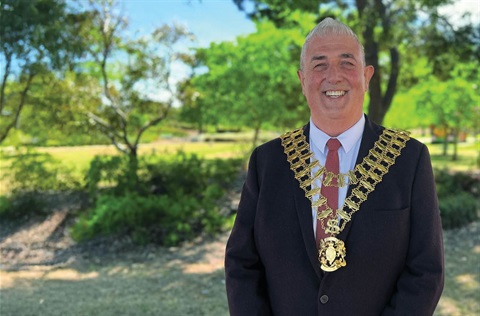
I am often asked whether Murray River Council collaborates with neighbouring councils on matters of mutual interest and importance to our collective communities. My answer is always an emphatic yes!
The CEO and I have a list of organisations, representatives and councils that we meet with on a regular basis including NSW Police, Murrumbidgee Local Health District, Helen Dalton MP, David Farley MP, NBN Co, Telstra, Essential Energy, School Principals, Cross Border Commissioners and Campaspe, Gannawarra and Swan Hill Rural City councils.
In addition, in NSW, there is a second tier of local government that was enacted in 2018 called Joint Organisations. There are thirteen JO’s across NSW, including RAMJO which is the acronym for the Riverina and Murray Joint Organisation which comprises twelve councils from Wentworth in the west to Albury City in the east. MRC is the third largest member, by population, after Albury and Griffith.
RAMJO board meetings are generally held on a quarterly basis, usually on the second Friday of February, May, August and November and are open to the public on an observer basis. RAMJO aims to provide regional leadership for the joint organisation area and to be an advocate for strategic regional priorities. It also works to influence policy and decision making by giving a regional voice to the challenges our region faces.
The decision-making body is the RAMJO board which comprises the mayors of member councils and the Chair is Mayor Ruth McCrae OAM from Federation Council. The board is assisted and advised by the executive officer, Greg Stonestreet PSM (former general Manager of Griffith City) and an advisory committee made up of member council general managers. Representatives from the Office of Local Government and the Office of the Premier and Cabinet provide regular updates at board meetings.
The strength of RAMJO comes from member councils’ commitment to collaborate in the development of position papers and various submissions to Parliamentary standing committees, inquiries and reviews.
Its Statement of Strategic Regional Priorities consists of three pillars:
Social Wellbeing, covering housing, health, social inclusion and community resilience.
Environmental Wellbeing, covering water security, renewable energy transmission, environmental sustainability and climate adaptation and disaster resilience.
Economic Wellbeing, covering workforce development, transport and connectivity, regional industry and investment attraction and digital inclusion and infrastructure.
So, as you can see, your elected councillors have a good understanding of regional issues and challenges as well as those impacting communities in Murray River.